AI & ML
LLM VRAM Requirements: A Practical Calculator Guide
Estimate local LLM memory from parameters, quantization, context length, and runtime overhead before downloading a model.
P
Pactentia ResearchAug 13, 2026·12 min read
31 articles found
Estimate local LLM memory from parameters, quantization, context length, and runtime overhead before downloading a model.
A practical 12GB GPU guide for choosing model size, quantization, and context settings without crashes or misleading benchmark claims.

On June 1, 2026, GitHub quietly replaced its request-count pricing with token-based AI Credits — and for anyone using agent mode heavily, that changed the real cost of Copilot substantially. Here's exactly what changed, what each tier actually costs now, and whether it still makes sense.

One is a fully open-source agent you plug your own API key into. The other is a proprietary tool bundled into a subscription. Here's how Cline and Claude Code actually differ in philosophy, cost, and day-to-day feel — and which fits your situation.

From install to your first commit, here's exactly how to get Claude Code running on a real project — the commands, the login options, and the small habits that make it genuinely useful from day one.
You genuinely don't need to pay $20/month to code with AI in 2026. Here's an honest breakdown of the best free coding assistants — what their limits actually are, which one fits your workflow, and where the free tiers quietly stop being enough.
Cursor's in-house coding model now scores close to Claude Opus 4.7 at a fraction of the cost — and comes bundled into a subscription you might already be paying for. Here's what Composer 2.5 actually delivers, where it falls short, and whether it's worth building your workflow around.
Backend work means terminals, databases, APIs, and deployment scripts more than pretty UI code — and that changes which AI coding tool actually fits. Here's how Claude Code and GitHub Copilot compare specifically for backend development in 2026, including the pricing shift that's reshaping the decision.
Three different philosophies for AI-assisted coding in 2026 — a terminal-native agent, an AI-first editor, and a cloud-native autonomous engineer. Here's how Claude Code, Cursor, and Codex actually differ, what each costs, and which fits your workflow.

Q4_K_M, Q8_0, IQ4_XS — the naming looks like alphabet soup, but the idea underneath is simple. Here's quantization explained in plain language, plus the actual commands to quantize a model yourself.
Qwen3-Coder-480B performs close to Claude Sonnet on agentic coding tasks, and it's open-weight. That doesn't mean it belongs on your desktop. Here's the honest hardware math and who should actually consider running it themselves.

Chatting with your own PDFs and internal docs shouldn't mean uploading them to someone else's server. Here's the full 2026 picture — the best models, the right embedding setup, and the easiest tools for building a private document Q&A system that never touches the cloud.

A used RTX 3090 can pay for itself against your Claude or GPT API bill in under a year — but only past a certain usage threshold, and only once you count the costs most comparisons leave out. Here's the real math, broken down by how much you actually use.
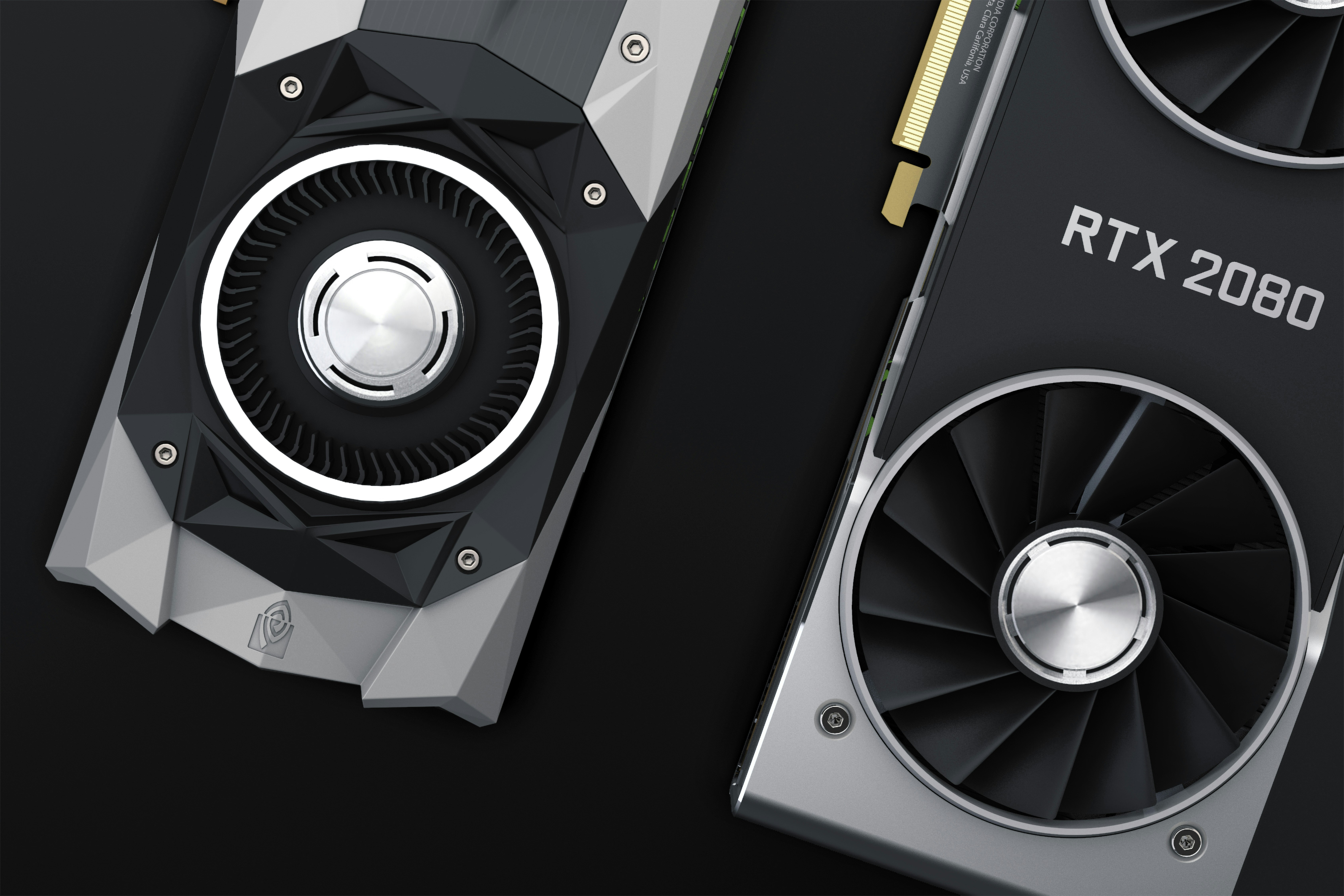
A 70B model is the line between "hobby setup" and "serious local AI," and the VRAM math isn't as simple as one number. Here's exactly what it takes at every quantization level, which hardware actually works, and when a smaller model is the smarter call.
You don't need to touch a terminal to run AI on your own computer anymore. Here are five tools built for people who just want to click install, pick a model, and start chatting — private, offline, and free.

Microsoft's Phi-4 family and Alibaba's Qwen3 8B take two different approaches to small-model performance. Here's how they actually compare for running AI on a laptop — parameter size, VRAM needs, and what each one is genuinely good at.

Kimi K2.5 is a trillion-parameter open-weight model from Moonshot AI with a trick most models its size don't have — a coordinated "Agent Swarm" that splits complex tasks across multiple sub-agents at once. Here's what's actually going on under the hood.

DeepSeek V4 Pro is open-weight and MIT-licensed, but "can download it" and "can run it on your desk" are very different things. Here's the honest hardware reality, plus your real options for running it yourself.
A 24GB GPU is the sweet spot for local coding AI in 2026 — big enough for genuinely capable models, small enough to fit on one card. Here's exactly which models to run, why, and how to set them up.

Ollama and LM Studio are the two most popular ways to run AI models on your own computer, but they're built for very different people. Here's how they actually compare in 2026 — speed, setup, API access, and who each one is really for.

Google's Gemma 4 12B drops separate vision and audio encoders for a unified, encoder-free architecture that runs comfortably on 16GB of RAM. Here's how it benchmarks, how fast it runs quantized, and whether it's actually the best local model for everyday and multimodal workloads.

GLM-5.2 is Z.ai's 744-billion-parameter open-weight coding model, and yes, you can run it on your own hardware. Here's exactly what you need, which quantization to pick, and the commands to get it talking.

Alibaba's Qwen3.5 and Zhipu's GLM-5.2 are the two open-weight models developers keep putting head-to-head in 2026. Here's how they actually compare on coding, reasoning, context, price, and licensing — and which one to reach for.
Got only 8GB of RAM? You can still run a genuinely useful AI model offline. Here's exactly which local LLMs actually work in 2026, how to install them in one command, and which ones to avoid.

Apple officially introduced Siri AI at its Worldwide Developers Conference (WWDC 2026) on June 8, marking the most significant overhaul of Siri in the assistant's 15-year history. Rebuilt on a custom Google Gemini-powered architecture and deeply integrated with the next generation of Apple Intelligence, the new Siri can understand personal context, take actions across apps, maintain multi-turn conversations, and answer questions about what's on your screen — all while keeping privacy at the cent

xAI's Grok 4.3 lands with always-on reasoning, a 1-million-token context window, and some of the most aggressive per-token pricing in its class — but how does it hold up against OpenAI and Anthropic? We break down the benchmarks, real-world performance, and who it's actually built for.

A practical, benchmark-backed guide to the best open source large language models you can run locally on any GPU with 16GB of VRAM in 2026 — including RTX 4080, RTX 5080, RTX 3090, and AMD RX 9070 XT. Covers the latest models like GPT-OSS 20B, Qwen3.5 27B, Qwen3.6, Gemma 4, and GLM 4.7 Flash — with real speed benchmarks and an Ollama quick-start guide.

A practical, benchmark-backed guide to the best open source large language models you can run locally on any GPU with 8GB of VRAM in 2026 — including RTX 3060, RTX 3070, RTX 4060, and AMD RX 7600. Covers top model picks, the right quantization settings, speed benchmarks, and a quick-start setup with Ollama.

A hands-on breakdown of the 10 best AI agent tools in 2026 — from no-code workflow builders to enterprise-grade platforms — with pricing, use cases, and honest pros and cons to help you pick the right one.

Looking for the best free LLM APIs in 2026? This guide covers the top providers — including Google AI Studio, Groq, OpenRouter, Mistral, and more — with real rate limits, model options, and use cases. Start building AI-powered apps without spending a cent.

You don't need to know how to code anymore to build an app. That sentence would have sounded insane five years ago. Today, it's just Tuesday. Welcome to the world of vibe coding — the biggest shift in software development since the internet itself. If you've seen people on X or YouTube casually spinning up entire apps by just talking to an AI, you've already witnessed vibe coding in action. But what actually is it, how does it work, and should you care if you're not a developer? Let's break it a